Many organisations assume that HR systems and recruitment software serve the same purpose simply because both sit within the people and culture function. While HR and talent acquisition teams work closely together, the technology that supports them is designed for very different outcomes. Using an HR system to manage recruitment is like using accounting software to run your sales pipeline. It might technically work, but it was never built to optimise sourcing, candidate engagement, or hiring performance.
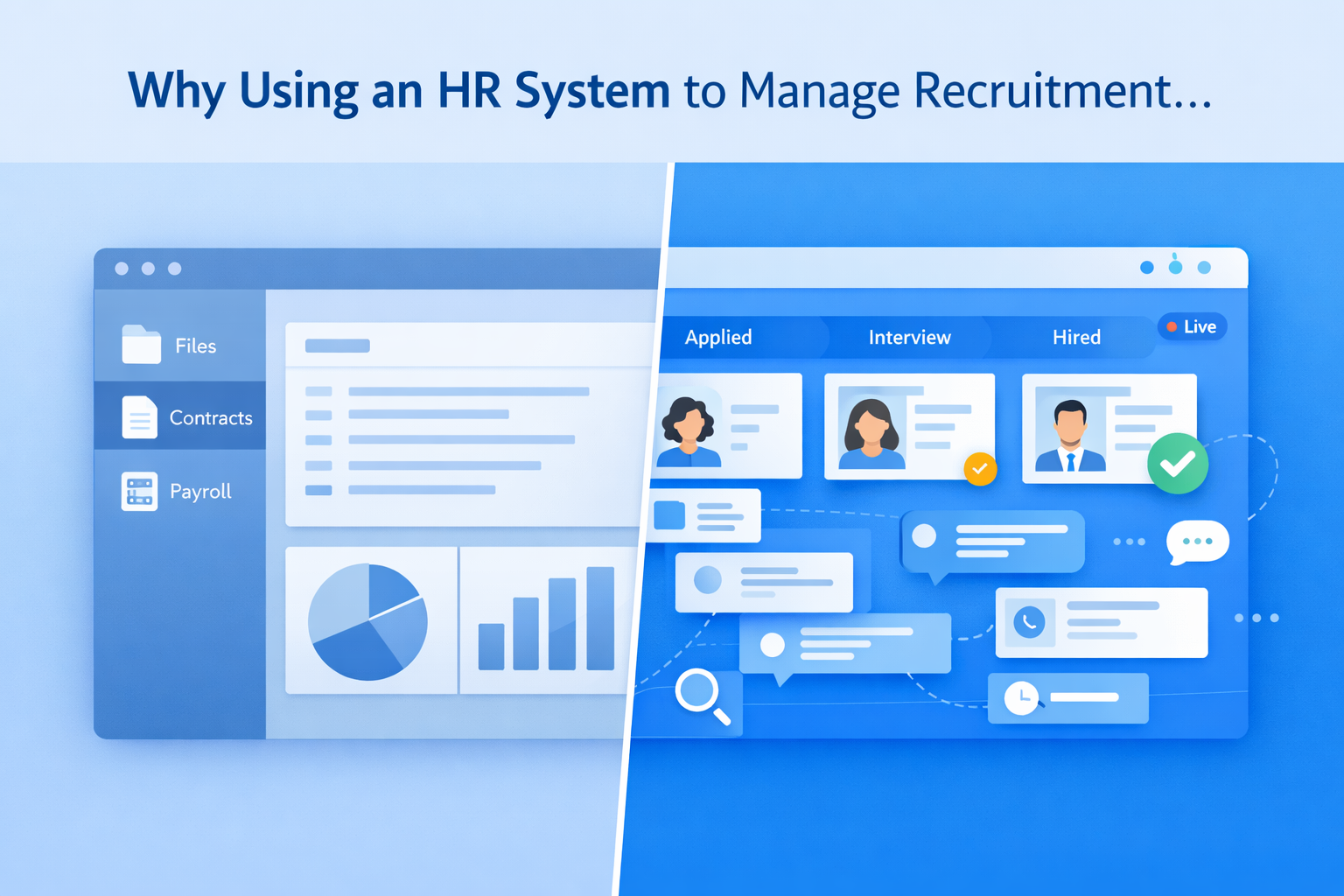
An HR platform is designed to manage the employee lifecycle, including onboarding, payroll, compliance, contracts, and performance management. A dedicated Applicant Tracking System (ATS), however, is purpose-built to support the entire recruitment journey. This includes attracting and sourcing candidates, managing interviews, handling offers, and enabling recruiter collaboration. When organisations rely on HR software as their ATS, they often create unnecessary friction, slower hiring cycles, and limited visibility across recruitment workflows.
If your business is using an HR system as its recruitment software, it may be quietly costing you time, top talent, and competitive advantage. Understanding the difference between HR systems and purpose-built recruitment platforms is the first step towards improving your hiring process, reducing time to hire, and driving stronger talent acquisition outcomes.
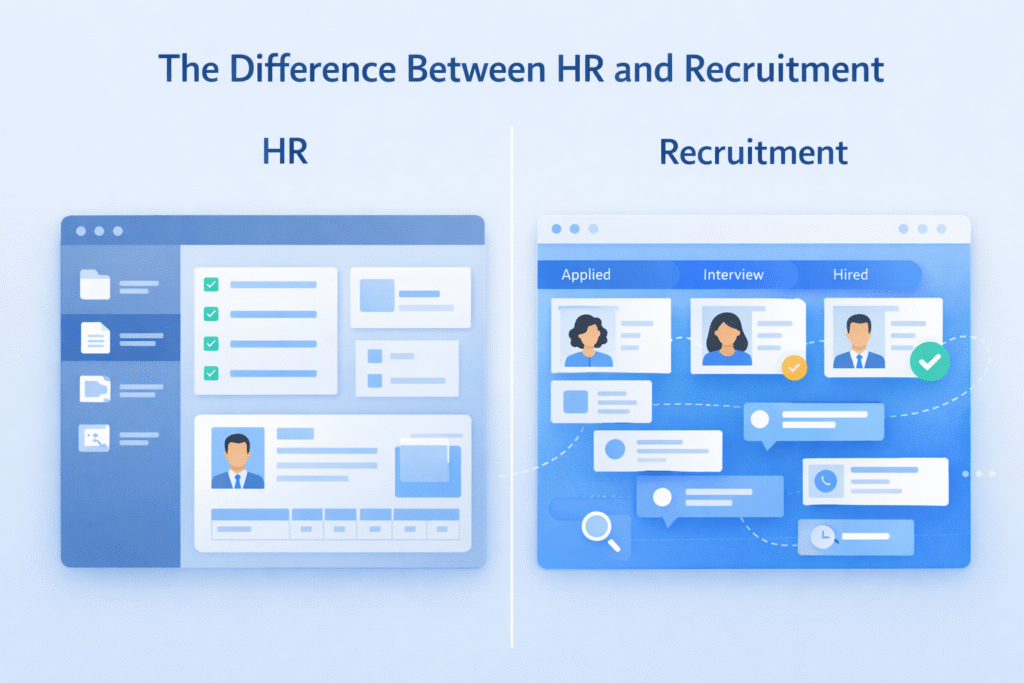
The Difference Between HR and Recruitment
Recruitment is dynamic, fast paced, and deeply relational. It focuses on attracting, engaging, and converting talent, often at speed and across multiple channels such as job boards, social platforms, and recruitment agencies. Modern talent acquisition requires agility, visibility, and consistent candidate engagement to compete for top talent.
In contrast, HR systems are designed for structured employee lifecycle management. This includes contracts, onboarding, leave administration, performance reviews, compliance, and payroll. Their primary function begins after a candidate becomes an employee, not during the sourcing and hiring stages.
The technology you choose should reflect these fundamental differences.
An HR platform is highly effective for managing employees once they are hired. A dedicated recruitment platform, or Applicant Tracking System (ATS), is built specifically for everything that happens before that point. This includes initial sourcing, candidate screening, interviews, offer management, and recruiter collaboration. Using the right recruitment software ensures your hiring process remains efficient, competitive, and performance driven.
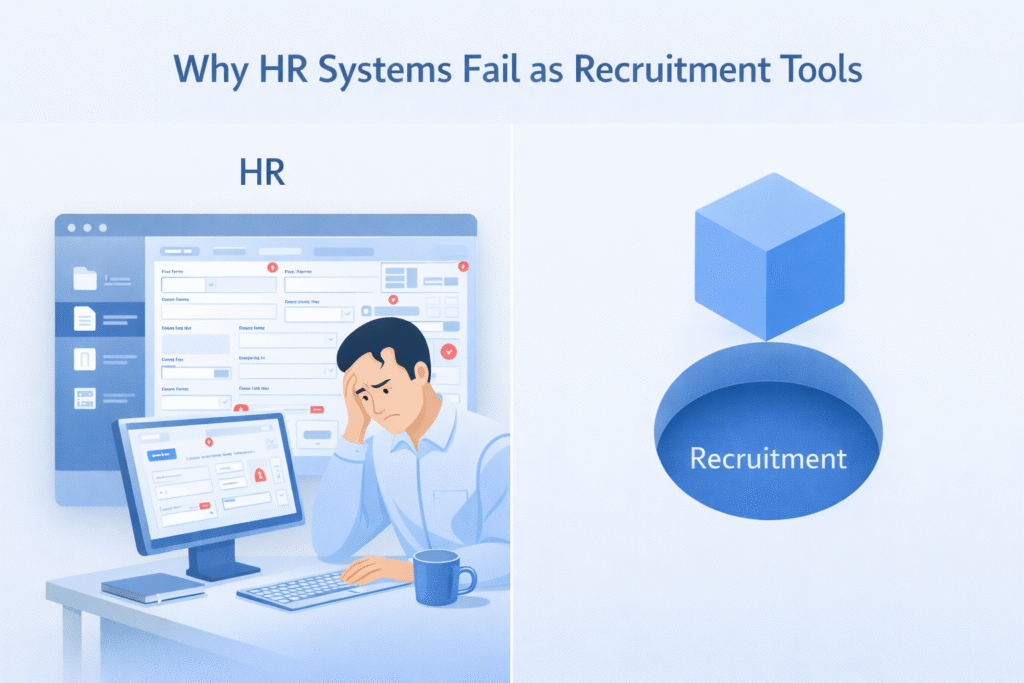
Why HR Systems Fail as Recruitment Tools
Many HR platforms advertise a built-in recruitment module, but these features are rarely designed to support modern hiring performance. Instead, they often introduce friction into the recruitment process and limit recruiter efficiency.
These systems are often overly complex, requiring job seekers to complete lengthy, compliance-driven forms before they have even spoken to a recruiter. This creates unnecessary barriers, damages the candidate experience, and increases application drop off rates.
They are typically static, lacking real-time engagement tools and collaboration features that modern talent acquisition teams and agency recruiters rely on. Without streamlined communication and shared visibility, hiring slows down.
They are also inflexible, making it difficult to manage agency submissions, track candidate availability, build talent pipelines, or efficiently run high-volume recruitment campaigns.
Most importantly, they are not agency friendly. Recruitment agencies are rarely able to operate directly within the system. This leads to endless email chains, duplicated data entry, fragmented communication, and frustrated stakeholders.
In short, HR systems are built for compliance and record keeping, not for improving recruiter performance, optimising candidate engagement, or accelerating time to hire.
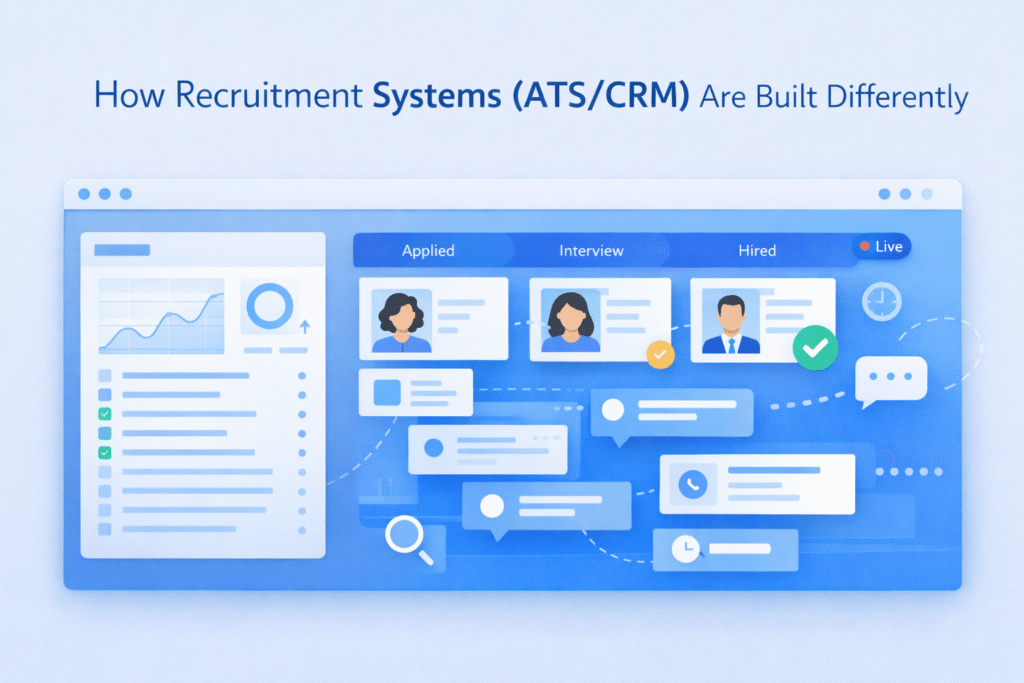
How Recruitment Systems (ATS/CRM) Are Built Differently
A modern recruitment system, often combining Applicant Tracking System (ATS) and CRM functionality, is purpose-built to drive hiring outcomes. Unlike HR platforms that focus on compliance and employee records, recruitment software is designed to optimise sourcing, engagement, collaboration, and performance across the entire hiring funnel.
The best recruitment platforms are candidate first, streamlining the application process, reducing friction, and making it easier to track candidate engagement at every stage. A seamless experience not only improves employer brand perception but also increases completion rates and talent conversion.
They are also collaborative by design, allowing employers, internal talent acquisition teams, hiring managers, and recruitment agencies to work together within one centralised system. Shared visibility removes silos and speeds up decision making.
Modern ATS and CRM platforms are highly integrated, connecting with job boards, agency portals, sourcing tools, and onboarding systems to create a connected recruitment ecosystem. This reduces manual data entry and keeps workflows efficient.
Most importantly, they are insight driven, offering real time reporting, live job tracking, pipeline visibility, and recruitment analytics. These insights empower hiring teams to identify bottlenecks, measure recruiter performance, and reduce time to hire.
By implementing an ATS designed specifically for recruitment, your team spends less time on paperwork and administrative tasks, and more time sourcing, engaging, and hiring high quality talent.
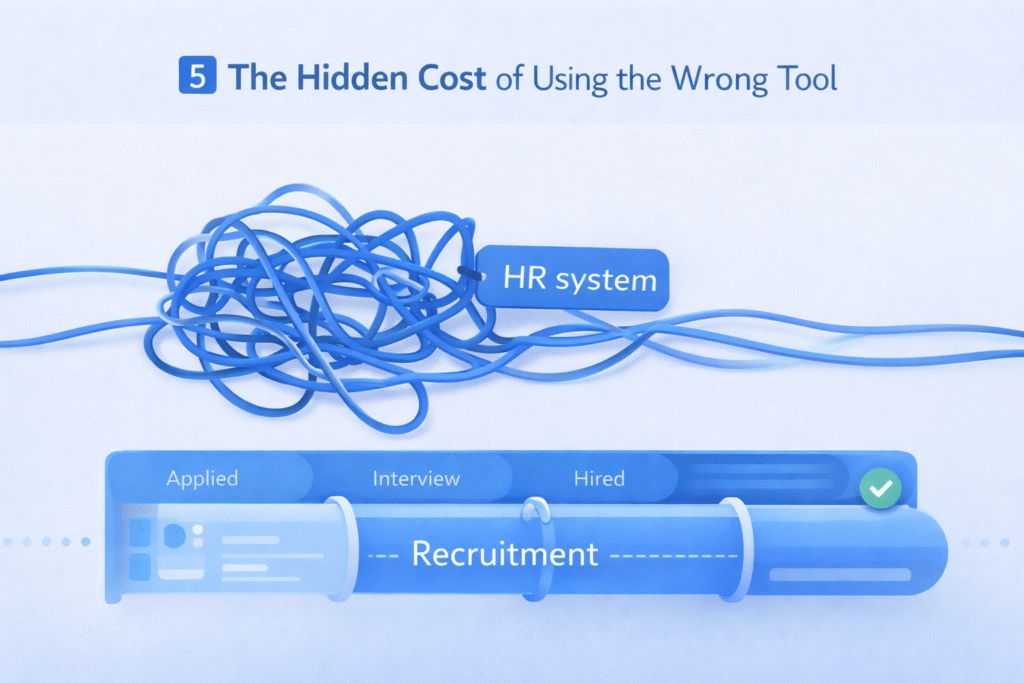
The Hidden Cost of Using the Wrong Tool
When businesses stretch their HR system into a makeshift recruitment platform, they often experience:
Wasted time
Manual data entry, duplicated effort, and poor communication between stakeholders.
Poor candidate experience
Frustrated applicants who drop out before completing the process.
Limited visibility
Inability to track job progress or clearly see which candidates are active.
It is like trying to run a sales pipeline through Xero or MYOB. You could add notes or manually update spreadsheets, but would you really want to?
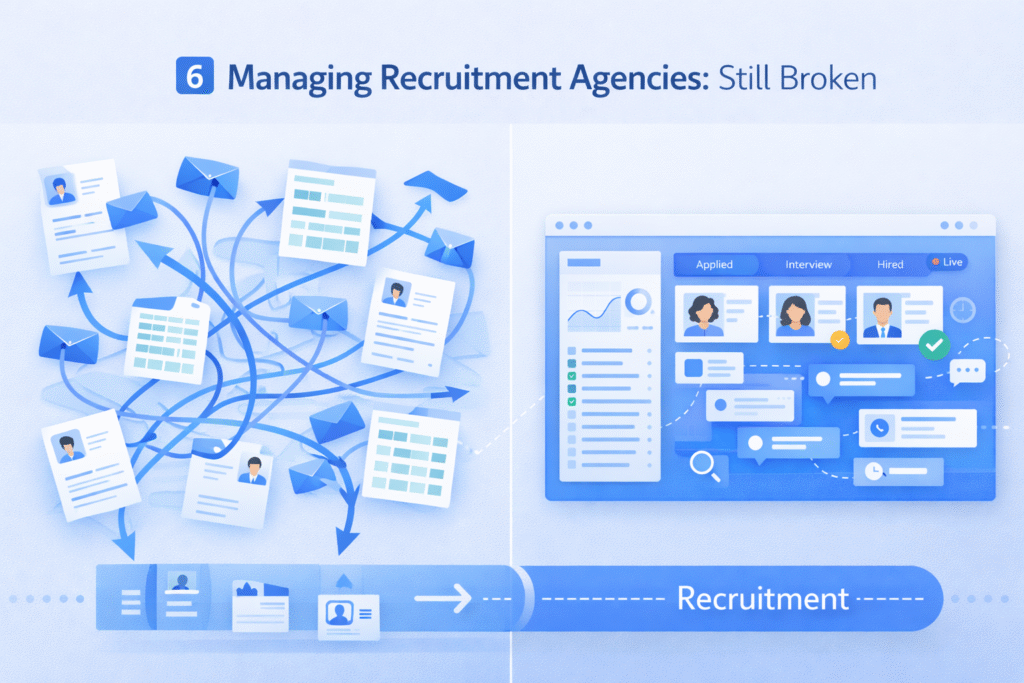
Managing Recruitment Agencies: Still Broken
Most HR platforms do not support effective vendor management. This means many organisations still rely on email chains, spreadsheets, and outdated recruiter lists to manage external suppliers.
A purpose built recruitment system allows you to:
-
Assign roles to specific recruiters
-
Track candidate ownership
-
Ensure compliance and brand consistency
-
View live updates on candidate submissions and job status
This approach keeps agency partners accountable while giving you back control and visibility across the recruitment process.
The Bottom Line
If your current system:
-
Cannot manage recruiter relationships
-
Requires job seekers to jump through unnecessary hoops
-
Lacks live visibility into jobs and candidate pipelines
Then it is probably an HR tool wearing a recruitment hat.
Investing in the right Applicant Tracking System (ATS) or recruitment CRM does more than make life easier for your internal team. It delivers a better candidate experience, improves recruiter collaboration, and shortens time to hire.
Stop Using the Wrong Tools
Recruitment deserves its own system.
Just as sales teams use CRMs to manage leads and deals, recruitment teams need tools designed specifically for sourcing, engaging, and hiring people.
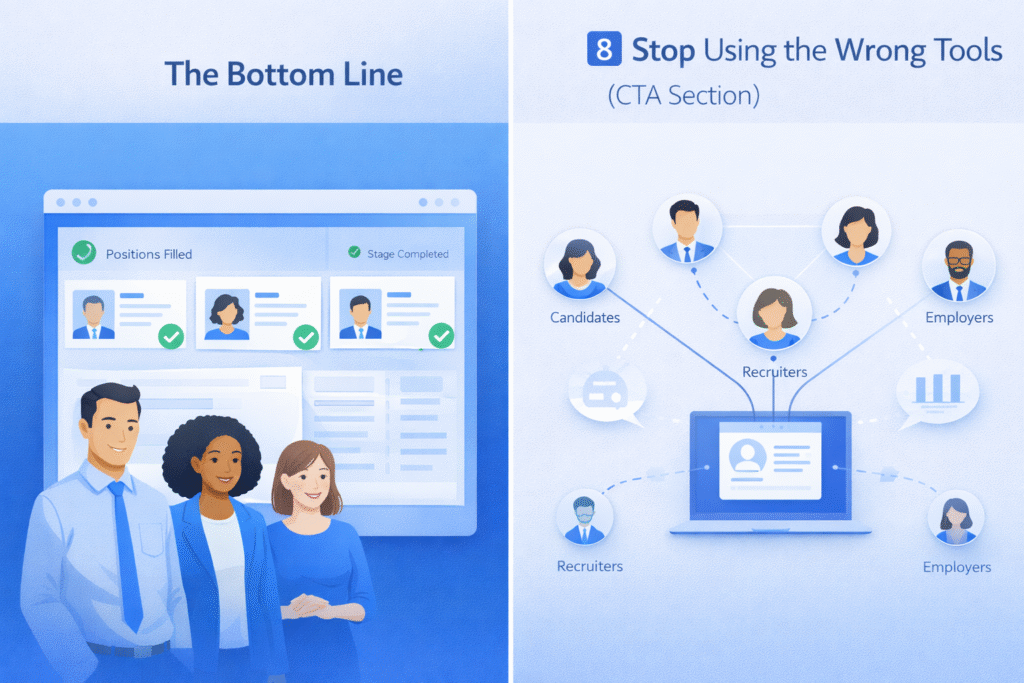
At JobTetris, we have built a platform that connects candidates, recruiters, and employers in real time. Everyone gets the visibility and tools they need, without the admin headaches or expensive overhead.
Ready to stop using a system that was never built for recruitment?